
How to Handle Consecutive Slot Losses Responsibly on Maha168
Experiencing a series of consecutive losses—often referred to as a drawdown or negative variance cycle—is an inherent aspect of statistical gaming algorithms. Without disciplined risk management protocols, extended downswings can lead to irrational decision-making and rapid capital depletion. This guide provides a professional, step-by-step framework to manage slot losses streaks effectively on platform environments such as Maha168.
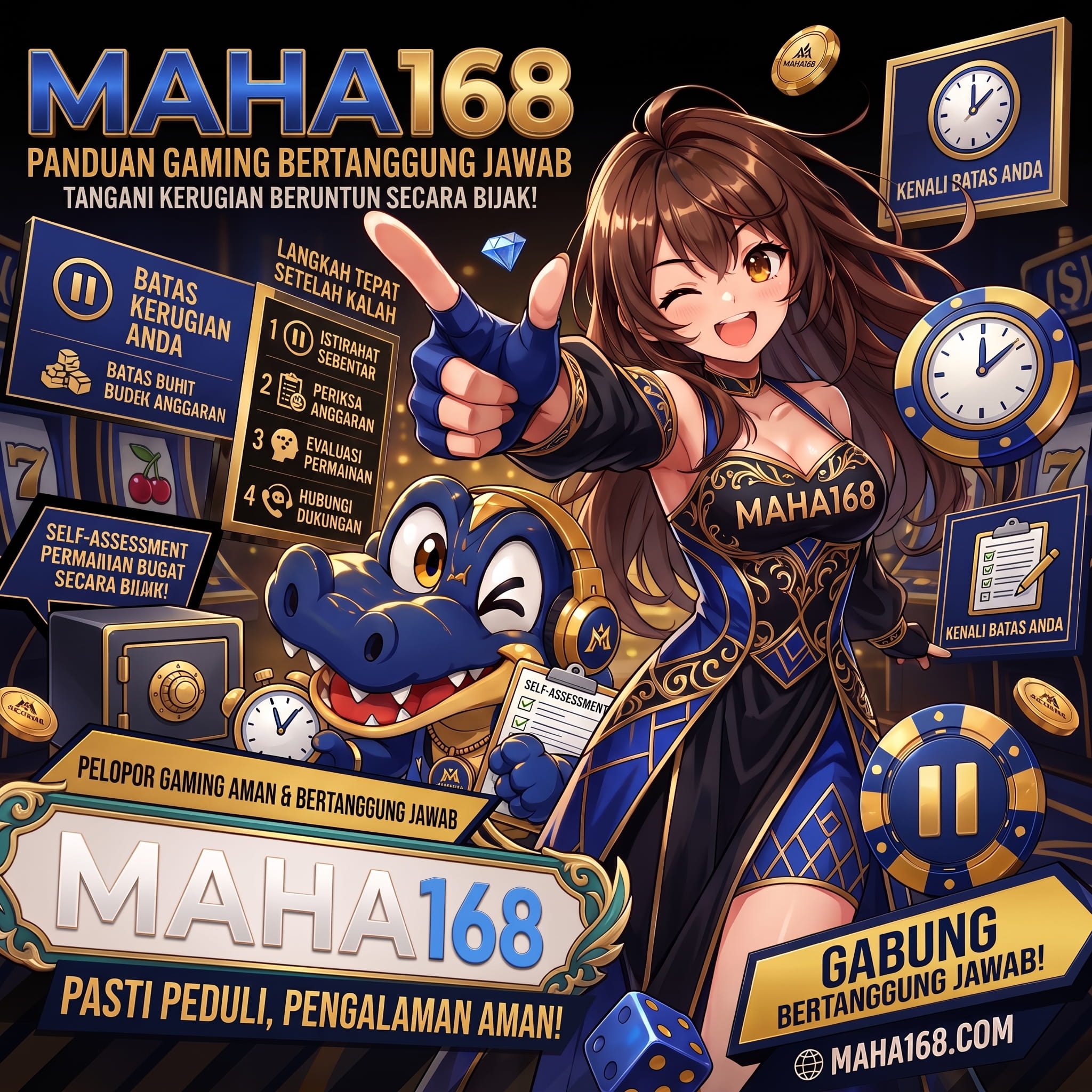
What Causes Extended Slot Losses Streaks in Slot Games?
Consecutive losses are driven by independent Random Number Generator (RNG) calculations and mathematical game volatility. On digital platforms like Maha168, every individual spin operates as a separate statistical event. High volatility titles naturally feature longer gaps between payout distributions, which can manifest as extended sequences of non-paying cycles regardless of previous outcomes.
Who Is Most Impacted by Negative Variance Downswings?
Players who lack strict budget boundaries or rely on emotional reactions are the most vulnerable during a losing streak. Casual users and experienced portfolio managers alike must recognize the signs of tilt—such as impulsively increasing wager sizes to recover lost funds (loss chasing). Applying pre-determined loss controls ensures that negative variance does not compromise long-term liquidity.
Where Should Slot Losses Risk Mitigation Measures Be Applied First?
Risk mitigation must begin within your account management tools on Maha168. Utilizing built-in self-exclusion settings, automated session reminders, and strict daily deposit caps ensures an absolute barrier against overspending. Separating core living funds from dedicated entertainment budgets is the foundational step in maintaining complete financial control.
When Is the Correct Time to Pause or End a Gaming Session?
A session must be paused immediately when your bankroll hits a predefined stop-loss limit—typically set at 15% to 20% of your initial daily allocation. Additionally, taking a mandatory cooling-off break after ten consecutive non-paying spins helps clear emotional bias and prevents impulsive betting escalations.
Why Is Chasing Losses Counterproductive to Capital Protection?
Attempting to recover losses by raising stake sizes during a downswing exposes your remaining balance to compounding volatility. Because RNG outcomes are entirely independent, previous non-paying spins do not increase the mathematical probability of a win on subsequent turns. Accepting variance as a fixed operational cost is essential for sustainable activity.
How to Overcome Slot Losses Streak Step-by-Step?
Follow these practical steps to manage losing sequences professionally on Maha168:
-
Enforce an Instant Cooling-Off Period: Step away from the platform for at least 30 minutes when experiencing a persistent draw.
-
Re-evaluate Base Unit Sizes: Reduce individual spin wagers to $0.5\%$ or $1\%$ of your remaining active balance.
-
Switch to Lower Volatility Titles: Transition to games with higher baseline hit frequencies to stabilize capital swings.
-
Honor the Daily Stop-Loss: Close the session completely once your daily risk allocation threshold is reached, regardless of circumstances.
Conclusion
Managing consecutive slot losses on Maha168 requires mathematical discipline, emotional control, and strict adherence to bankroll boundaries. By acknowledging the role of RNG variance, setting automated stop-loss controls, and refusing to chase losses, players can preserve their working capital and maintain a secure, responsible gaming framework.
Read More : Tips for Setting Daily Loss Limits to Stay Safe on User138